
V2HBerry - RZ/V2H Evaluation Kit
Complex AI Applications on a Single Board
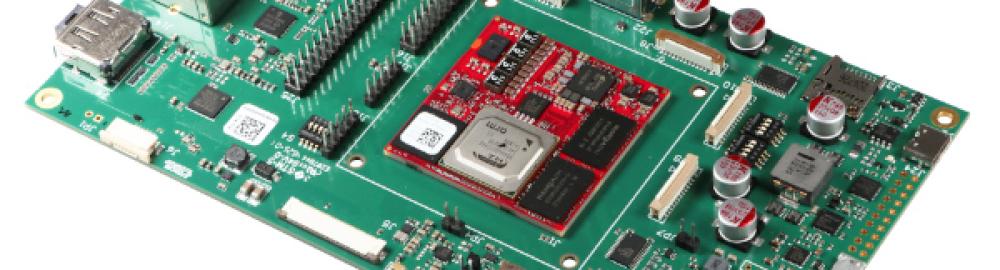
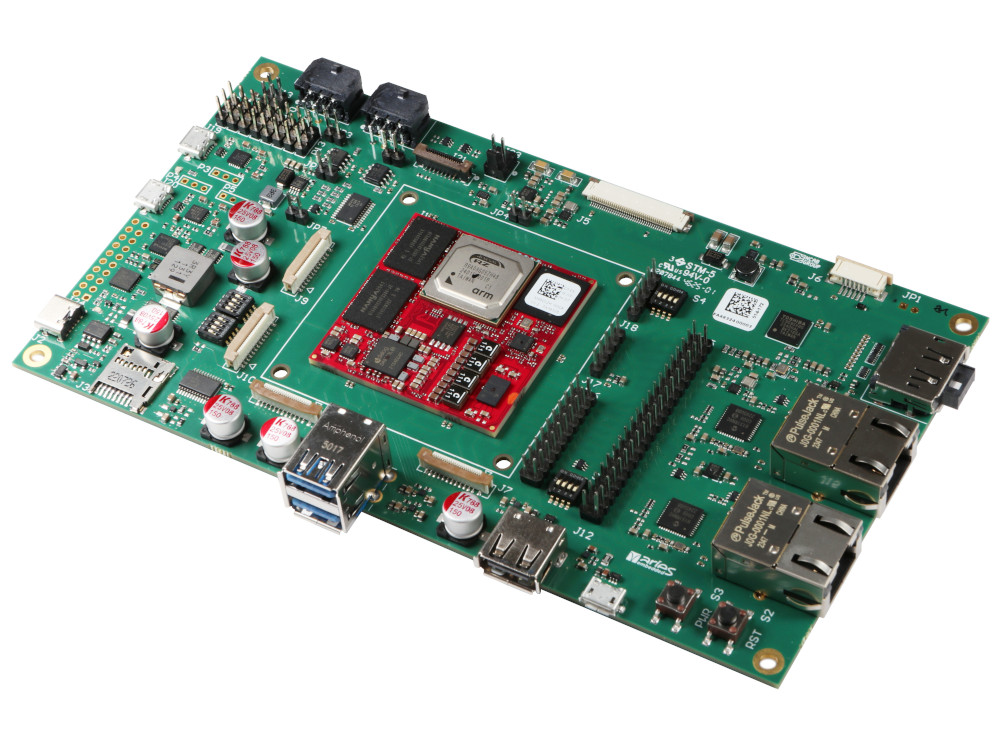
The V2HBerry supports a quick start-up of CPU projects and can easily be used as a fast-prototype platform.
The V2HBerry contains the Open Standard Module compliant System-In-Package based on Renesas' RZ/V2H Family architecture offering high-performance dual/quad CortexA55 cores in combination with a dual CortexR9 and CortexM33 core. The MSRZV2H combines compact design and a wide range of services, bringing low power consumption, thermal efficiency and low-cost to embedded systems.
Features
- MSRZV2H System on Module
- 2x Ethernet on RJ45 connector
- PCIe on Raspberry Pi fpc-connector
- USB Host on USB A connector
- USB OTG interface on USB microAB connector
- 2x USB3.2 on USB-C connector
- display as
- RGB display on FPC connector or
- Display Port on Display Port connector
- 4x cammera on fpc connectors
- console/UART interface on USB microAB connector
- CAN on pin header
- SPI on pin header
- I2C on pin header
- GPIO on pin header
- JTAG on pin header
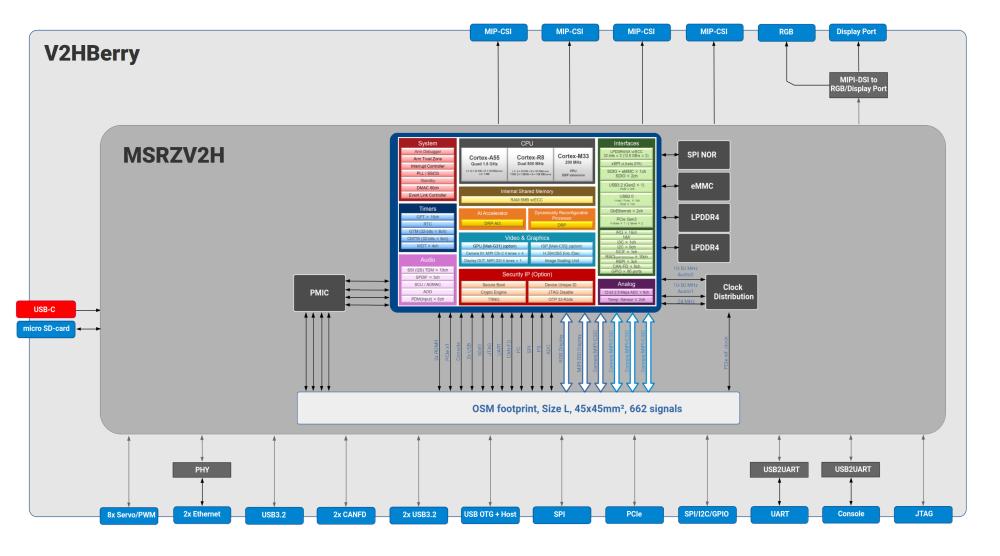
Block Diagram
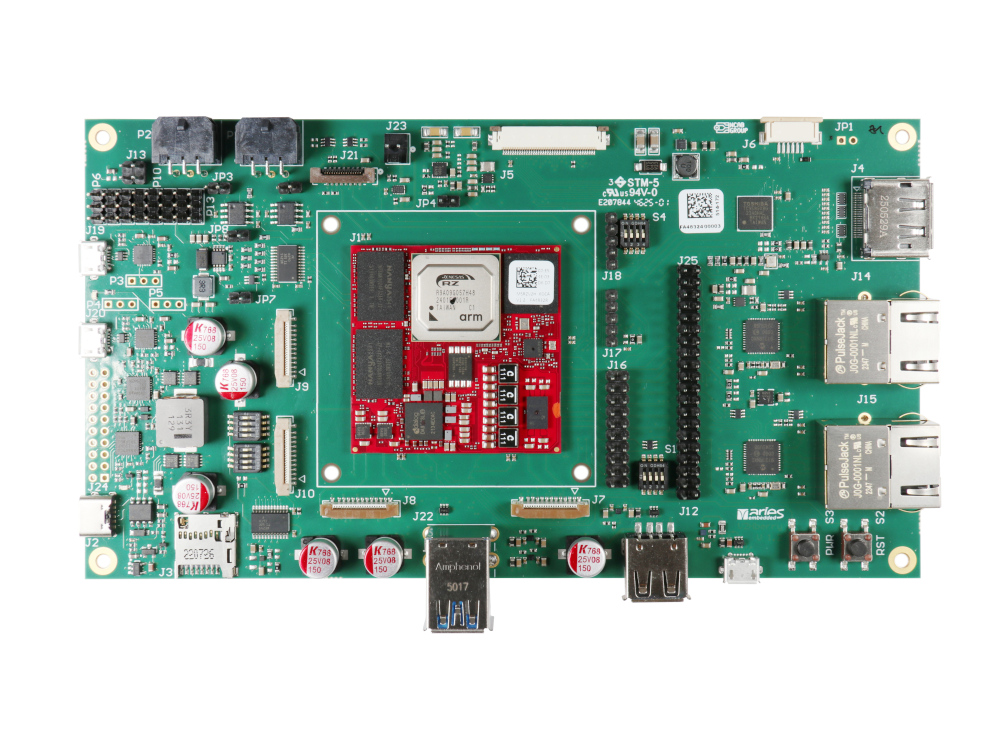
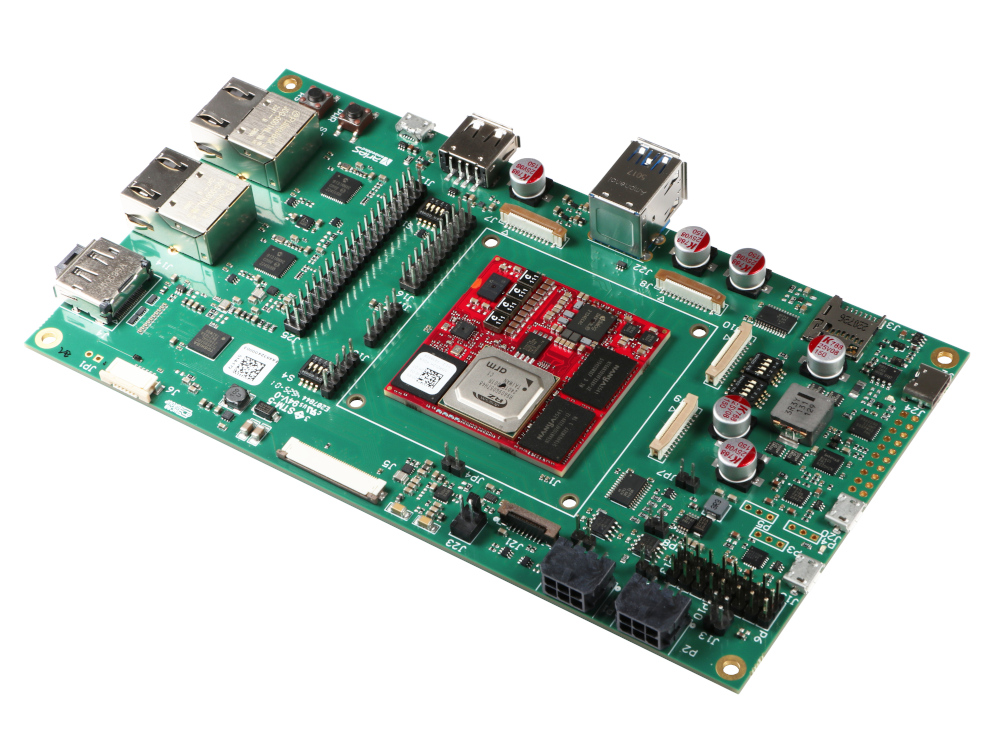
Pictures
Order Codes
V2HBerry-6DCA
- MSRZV2H-6DCA
- R9A09G057H48GBG RZ/V2H processor
- 4x Cortex-A55, up to 1.8GHz
- 2x Cortex-R9, up to 800MHz
- 1x Cortex-M33, up to 200MHz
- DRP AI-coprocessor
- Security
- ISP
- 8GByte LPDDR4 RAM
- 32GByte eMMC NAND Flash
- 128Mbit SPI NOR
- temperature range 0°C...+70°C
- R9A09G057H48GBG RZ/V2H processor
- 2x Ethernet on RJ45 connector
- PCIe on Raspberry Pi fpc-connector
- USB Host on USB A connector
- USB OTG interface on USB microAB connector
- 2x USB3.2 on USB-C connector
- display as
- RGB display on FPC connector or
- Display Port on Display Port connector
- 4x cammera on fpc connectors
- console/UART interface on USB microAB connector
- CAN on pin header
- SPI on pin header
- I2C on pin header
- GPIO on pin header
- JTAG on pin header
OSM Standard

The idea of all Open Standard Modules (OSM) is to create a new, future proof and versatile standard for small-size, low-cost embedded computer modules, combining the following key characteristics:
- different architectures available on the same footprint, scalability in function and performance
- four different mechanical sizes and pin counts, downwards compatible
- pre-defined soft- and hardware interfaces
- specification and design guide publicly available
- design support for baseboard integration, driver development and mass production by ARIES Embedded
- directly assembly to the baseboard without connectors using LGA (Land Grid Array) technology
- completely machine processible during soldering, assembly and testing
The Open Standard Module specification allows developing, producing and distributing embedded modules for the most popular MCU32, ARM and RSICV architectures. For a growing number of IoT applications this standard helps to combine the advantages of modular embedded computing with increasing requirements regarding costs, space and interfaces.